Two Very Different Financial Ecosystems
Comparing M1 Finance and Wealthfront purely on fees misses what actually separates them. Both are inexpensive.

Both automate the mechanical parts of investing. But the two companies have built their platforms around completely different ideas of what “automated investing” should include beyond the portfolio itself — M1 around a self-directed investing hub with borrowing and banking built in, Wealthfront around tax optimization and free financial planning tools.
This comparison focuses on that ecosystem difference, since it matters more than the fee gap for most people choosing between them.
This article is for informational and educational purposes only and does not constitute personalized financial or investment advice. Fees, minimums, and features change frequently — always confirm current terms directly on each provider’s website before opening an account. This post may contain affiliate links; see our affiliate disclosure for details.
Quick Verdict
- Choose M1 Finance if: you want to design your own portfolio (including individual dividend stocks or crypto), plus access to a portfolio-backed line of credit and a high-yield cash account, all under one roof.
- Choose Wealthfront if: you want an algorithm to build and tax-optimize your portfolio for you, paired with a genuinely useful free financial planning tool and a high-yield cash account of its own.
What Each Platform Is Actually Built Around
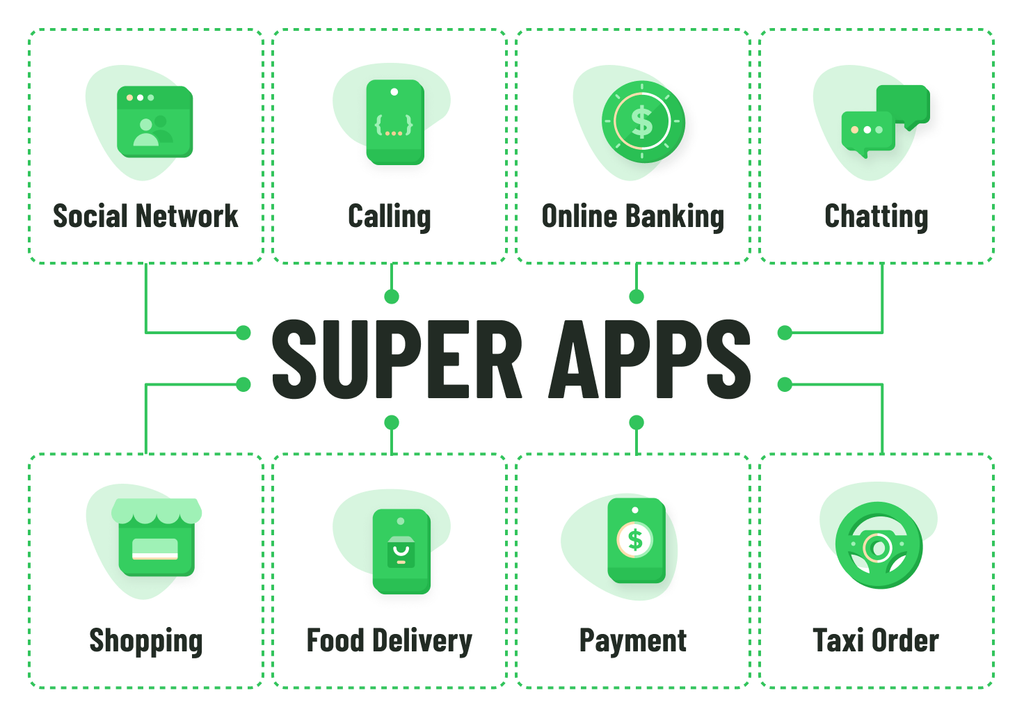
M1 Finance positions itself as a “finance super app.” The core is its Pie system — you choose your own mix of stocks, ETFs, and even a small selection of cryptocurrencies, assign target weights, and M1 automates deposits and rebalancing around that structure. Layered on top: M1 Borrow, a portfolio-backed line of credit using your taxable brokerage holdings as collateral, and M1 Earn, a high-yield cash account. It’s less “let an algorithm manage my money” and more “give me the tools to manage my own money efficiently.”
Wealthfront positions itself around automation and tax efficiency. You don’t pick individual stocks — an algorithm builds a diversified ETF portfolio from a risk questionnaire, harvests tax losses daily, and adds stock-level direct indexing once a taxable account passes $100,000. Alongside the investing account, Wealthfront offers Path, a free financial planning tool that models retirement readiness, home affordability, and college savings using your real linked-account data — you don’t need to invest a dollar with Wealthfront to use it. Wealthfront also offers its own high-yield cash account and a portfolio line of credit for taxable accounts over $25,000.
Side-by-Side: Beyond the Basic Portfolio
| M1 Finance | Wealthfront | |
|---|---|---|
| Who builds your portfolio | You, via custom “Pies” | Wealthfront’s algorithm |
| Individual stock selection | Yes, within your Pie | No — ETFs only (individual stocks only appear via direct indexing at $100K+) |
| Crypto access | Limited selection, no-commission | Not offered |
| Tax-loss harvesting | Not offered | Yes, daily, plus direct indexing at $100K+ |
| Free financial planning tool | Not offered | Yes — Path, usable without investing |
| Borrowing against your portfolio | M1 Borrow — up to 50% of equity, no credit check, taxable accounts $2,000+ | Portfolio line of credit — up to 30% of account value, taxable accounts $25,000+ |
| High-yield cash account | M1 Earn | Wealthfront Cash Account, FDIC coverage up to $8M via partner banks |
| Human advisor access | Not offered | Not offered |
M1’s Ecosystem: Control, Borrowing, and Dividend Investing
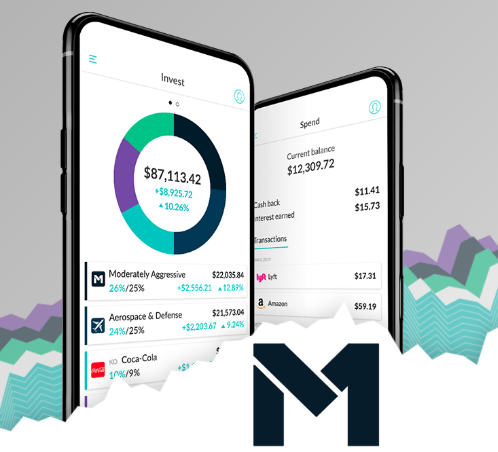
M1 Finance’s biggest draw for a specific type of investor is control. If you have opinions about your allocation — a preference for individual dividend-paying stocks alongside index funds, or a desire to hold a small crypto position without opening a separate account elsewhere — M1 lets you build that exact mix and then automates the boring parts: dividend reinvestment, rebalancing new deposits toward underweight positions, and fractional-share purchases so a $50 deposit still buys a slice of an expensive stock.
M1 Borrow is the other differentiator worth understanding. Using your taxable brokerage holdings as collateral, you can borrow against your portfolio without a credit check or a fixed repayment schedule — a form of access to liquidity that’s historically been more available to wealthy investors through traditional margin arrangements. It’s a legitimate tool for short-term liquidity needs, but it carries real risk: borrowing against investments means a market downturn can trigger a margin call, forcing you to sell holdings (potentially at a loss) or add cash quickly. This isn’t a feature to use casually.
Wealthfront’s Ecosystem: Planning and Tax Efficiency
Wealthfront’s Path tool is arguably its most underrated feature, because it’s free and doesn’t require you to invest anything to use it.
It pulls in linked external accounts — bank, 401(k), mortgage — and models scenarios like retirement readiness at different Social Security claiming ages, whether you can afford a home in a specific zip code, or how a 529 plan tracks against college cost projections.

For someone who wants a fuller financial picture before deciding how to invest, it’s a genuinely useful starting point independent of whether you ever open a Wealthfront investing account.
On the investing side, Wealthfront’s daily tax-loss harvesting and direct indexing at $100,000+ remain the deepest tax-optimization tools among mainstream robo-advisors — a meaningful advantage for a large taxable account, and one M1 doesn’t attempt to compete with at all, since M1 offers no automated tax-loss harvesting.
Which One Fits Your Situation
You want to hold individual dividend stocks or a small crypto position alongside index funds: M1 Finance — Wealthfront doesn’t support individual stock selection or crypto at all.
You want an algorithm to handle everything, including tax optimization, without any manual portfolio decisions: Wealthfront.
You’re interested in borrowing against your portfolio for short-term liquidity: compare M1 Borrow (lower minimum, no credit check, higher borrowing percentage) against Wealthfront’s portfolio line of credit (higher minimum, more conservative borrowing limit) — and think carefully about the risk either way.
You want a free financial planning tool regardless of where you end up investing: Wealthfront’s Path is available without funding an account, which makes it worth exploring even if you ultimately choose M1 or another platform for the actual investing.
Your taxable account is large and tax efficiency is a priority: Wealthfront, specifically for direct indexing above $100,000 — a feature M1 has no equivalent for.
Our Methodology
This comparison is based on publicly available fee schedules, feature disclosures, and product descriptions published by M1 Finance and Wealthfront as of 2026. Borrowing terms, interest rates, and cash account APYs change frequently and are not guaranteed — confirm current rates directly with each provider before relying on any figure in this article. We do not maintain active accounts with either platform for this specific comparison; treat this article as a starting point for your own research.
Frequently Asked Questions
Can I hold individual stocks at Wealthfront? Not through its core automated investing account. Individual stock exposure only enters the picture through direct indexing, which requires a taxable balance of $100,000 or more.
Does M1 Finance offer tax-loss harvesting? No. This is one of the clearest gaps versus Wealthfront, which offers it on all taxable accounts regardless of balance.
Is borrowing against my portfolio (M1 Borrow or Wealthfront’s line of credit) a good idea? It depends entirely on your situation and risk tolerance. Both use your investments as collateral, which means a market downturn can trigger a margin call. Treat either as a tool for short-term, carefully considered liquidity needs — not a substitute for an emergency fund.
Which platform is better for a completely hands-off investor? Wealthfront — its entire model is built around an algorithm making the decisions. M1 assumes you want to set your own allocation, even though it automates the ongoing management of it.
This article is part of our ongoing robo-advisor comparison series. Fees and features are current as of 2026 and are subject to change — always verify current terms on the provider’s official website before investing.